
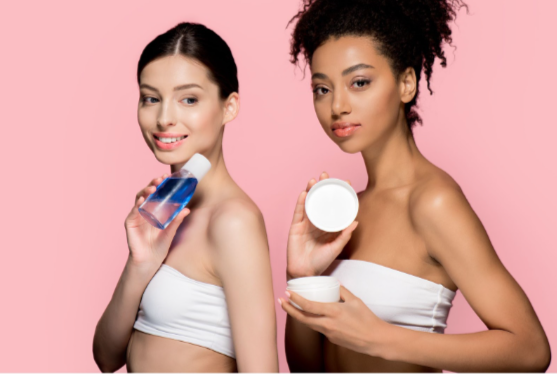
Hydration forms the foundation of healthy, radiant skin, yet the concept extends far beyond simply adding water to the skin’s surface. Modern skincare science recognizes that optimal hydration involves complex biological processes occurring at multiple skin layers, from the stratum corneum to the deeper dermis. Bioactive hydration—utilizing ingredients that not only provide moisture but also support skin’s natural water-retention mechanisms and cellular function—represents a sophisticated approach to maintaining skin health, resilience, and youthful appearance.
Understanding Skin’s Hydration Systems
Human skin maintains hydration through several interconnected systems working in harmony. The outermost layer, the stratum corneum, contains natural moisturizing factors (NMF) that attract and bind water molecules. These compounds, including amino acids, lactic acid, urea, and various minerals, create a hygroscopic environment that draws moisture from both the atmosphere and deeper skin layers.
Beneath the surface, the skin barrier—composed of ceramides, cholesterol, and fatty acids arranged in organized lipid bilayers—prevents excessive water loss while protecting against environmental aggressors. This barrier function proves critical for maintaining proper hydration levels. When compromised, skin experiences increased transepidermal water loss, leading to dehydration, sensitivity, and accelerated aging.
At deeper levels, the dermis contains structural proteins and glycosaminoglycans, particularly hyaluronic acid, that bind significant amounts of water. This dermal hydration provides the foundation for skin’s plumpness, elasticity, and smooth appearance. As we age, the body’s natural production of these water-binding molecules decreases, reducing the skin’s capacity to maintain optimal hydration.
The Limitations of Conventional Hydration
Traditional moisturizers typically focus on surface hydration, providing temporary relief but failing to address underlying dehydration or support long-term skin health. These products often rely heavily on occlusives that seal in existing moisture without replenishing depleted water-binding compounds or strengthening barrier function. While they may create an immediate sensation of softness, they don’t necessarily improve skin’s inherent ability to attract and retain moisture.
Many conventional hydrating products also lack active ingredients that address the biological factors contributing to dehydration. Without compounds that stimulate natural moisturizing factor production, support barrier repair, or provide cellular communication signals, these products offer limited lasting benefits. Once application stops, skin quickly returns to its previous dehydrated state.
Furthermore, some hydrating products actually compromise long-term skin health by containing potentially problematic ingredients. Certain alcohols, synthetic fragrances, and harsh preservatives can irritate skin and disrupt barrier function, ultimately exacerbating the very dehydration they claim to address. This paradox highlights the importance of selecting formulations designed with skin biology in mind.
Bioactive Ingredients for Deep Hydration
Modern bioactive hydration approaches utilize ingredients that work with skin’s natural processes rather than simply coating the surface. Growth factors and peptides signal cells to increase production of structural proteins and water-binding molecules, enhancing skin’s intrinsic hydration capacity. These signaling molecules communicate directly with cells, triggering beneficial responses that improve skin function over time.
Specialized proteins and amino acid complexes provide building blocks for natural moisturizing factor synthesis while supporting barrier integrity. These bioactive ingredients don’t just sit on the skin’s surface—they integrate into biological processes, becoming part of the skin’s hydration infrastructure. This integration creates lasting improvements that persist even between applications.
Humectants like hyaluronic acid, glycerin, and sodium PCA draw water into skin from the environment and deeper layers, creating immediate plumping effects while supporting long-term hydration. When combined with barrier-supporting lipids, these ingredients create comprehensive hydration that addresses multiple aspects of skin moisture simultaneously.
Plant-derived bioactives offer additional benefits, providing antioxidant protection while supporting hydration. Botanical extracts rich in polysaccharides, polyphenols, and essential fatty acids nourish skin while defending against environmental stressors that compromise hydration. These natural compounds often work synergistically with other active ingredients, enhancing overall effectiveness.
Addressing Different Types of Dehydration
Skin dehydration manifests in various forms, each requiring slightly different approaches. Surface dehydration appears as tightness, flaking, and rough texture, resulting from depleted natural moisturizing factors in the stratum corneum. This condition responds well to humectants and emollients that replenish surface moisture and smooth texture.
Deep dehydration affects the dermis, presenting as fine lines, loss of plumpness, and decreased elasticity. This condition requires ingredients that penetrate beyond the surface to restore moisture in deeper layers. Smaller molecular weight compounds, advanced delivery systems, and ingredients that stimulate hyaluronic acid production all prove valuable for addressing deep dehydration.
Barrier-compromised dehydration occurs when the lipid barrier becomes disrupted, allowing excessive moisture loss while making skin more vulnerable to irritants. This condition necessitates formulations rich in barrier-repair ingredients like ceramides, cholesterol, and fatty acids in proportions mimicking skin’s natural lipid composition.
Seasonal and Environmental Considerations
Environmental conditions significantly impact skin hydration needs. Cold winter air with low humidity draws moisture from skin, while indoor heating further depletes hydration. These conditions require intensive moisture-binding and barrier-protective formulations that prevent environmental dehydration.
Hot, humid climates present different challenges. While ambient moisture remains high, air conditioning, sun exposure, and increased sweating can still compromise hydration. Lighter formulations that provide bioactive benefits without heaviness work well in these environments, allowing skin to breathe while maintaining optimal moisture levels.
Pollution and urban environments introduce additional hydration challenges. Airborne particles can compromise barrier function and increase oxidative stress, accelerating moisture loss. Bioactive hydrating products containing antioxidants provide dual benefits—hydrating while protecting against environmental damage.
The Role of Professional Formulations
Professional-grade hydrating products distinguish themselves through higher concentrations of bioactive ingredients and more sophisticated formulation approaches. These products utilize advanced delivery systems that ensure active ingredients reach appropriate skin depths. Liposomal encapsulation, for example, protects delicate ingredients while facilitating deeper penetration, maximizing their hydrating and regenerative effects.
Clinical formulations also tend to avoid unnecessary additives that might compromise results. By focusing on proven active ingredients and eliminating potential irritants, professional products provide more consistent, reliable outcomes. The investment in quality often translates to superior hydration and visible improvements in skin health.
When seeking truly transformative hydration, consider professional formulations designed with bioactive technology. If you’re ready to experience advanced moisture retention and cellular support, hydrate with Colostrum VG by Biologique Recherche, a bioactive treatment that goes beyond surface hydration to support skin’s natural moisture mechanisms.
Bioactive hydration represents the future of skincare, moving beyond temporary surface fixes to address the biological foundations of skin moisture. By selecting products that work with your skin’s natural processes, you can achieve lasting hydration, improved resilience, and a healthier, more radiant complexion that reflects optimal skin function at every level.
