A vehicle’s interior is one of the most important parts of the driving experience. While exterior styling often receives the most attention, drivers and passengers spend their time inside the vehicle, interacting with the seats, steering wheel, dashboard, door panels, carpeting, and other interior components. For automotive enthusiasts, upgrading these elements can completely change the appearance, comfort, and personality of a vehicle.
Custom automotive interiors have become increasingly popular among drivers who want something different from a factory-produced cabin. Rather than selecting from a limited number of standard colors and materials, vehicle owners can work with automotive interior specialists to create a design that reflects their preferences and complements the character of the vehicle.
What Is a Custom Automotive Interior?
A custom automotive interior is a vehicle cabin that has been modified, upgraded, restored, or redesigned using selected materials, colors, stitching patterns, textures, and components. The project can be relatively simple, such as replacing worn seat upholstery, or it can involve a complete transformation of the interior.
Depending on the vehicle and the owner’s goals, a custom interior may include seats, door panels, headliners, carpets, center consoles, dashboards, steering wheels, trim pieces, and other components.
Customization provides an opportunity to combine appearance and function. A vehicle used for daily transportation may benefit from durable materials and comfortable seating, while a performance vehicle may require a more supportive and driver-focused interior. Classic automobiles can benefit from restoration work that preserves their original character while improving the condition of the cabin.
Custom Car Seats Make a Major Difference
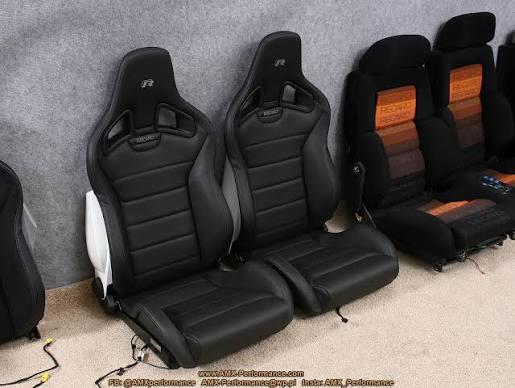
Seats are among the most noticeable elements of any vehicle interior. They influence comfort, appearance, support, and the overall atmosphere of the cabin. Replacing factory upholstery with a custom design can give a vehicle an entirely different personality.
Vehicle owners can often choose from a variety of materials and design approaches. Leather remains a popular option for luxury-oriented interiors because of its appearance and versatility. Other materials, including Alcantara-style fabrics and durable automotive textiles, can provide a sporty or contemporary appearance.
Color combinations can also be customized. Some owners prefer a single-color interior with subtle stitching, while others choose contrasting panels, piping, perforation patterns, or distinctive stitching to create a more personalized look.
For performance-oriented vehicles, seat design can be particularly important. Supportive seats can help create a more focused driving environment, while carefully selected materials can provide the visual connection between the interior and the vehicle’s performance-oriented character.
Choosing the Right Materials
Material selection is an important part of any automotive interior project. Different vehicles have different requirements, and the best material depends on how the vehicle is used.
A daily-driven vehicle may need materials that can withstand frequent use, temperature changes, and regular cleaning. A weekend or show vehicle may prioritize appearance and distinctive design. A performance vehicle may require materials that balance durability, grip, comfort, and visual appeal.
Leather, synthetic leather, suede-like materials, and automotive textiles can all serve different purposes. The texture, color, stitching, and finish should work together rather than being selected independently.
Professional interior specialists can help vehicle owners understand the differences between available materials and determine which options are appropriate for their particular project.
The Importance of Professional Workmanship
A high-quality interior is about more than selecting expensive materials. Installation and craftsmanship play an equally important role.
Automotive upholstery involves detailed measurements, cutting, fitting, sewing, shaping, and installation. Seats and panels must fit correctly around the existing structure and vehicle components. Small details, such as stitching alignment and panel transitions, can have a significant impact on the final appearance.
Professional workmanship can also help ensure that the finished interior maintains the intended shape and appearance over time. Poorly fitted upholstery can result in wrinkles, uneven seams, loose sections, or other issues that reduce the quality of the finished project.
For this reason, vehicle owners should consider an interior specialist’s experience, previous projects, materials, and attention to detail when planning a custom interior.
Custom Interiors for Performance Vehicles
Performance cars often have a distinctive relationship between the exterior and interior. A vehicle may have upgraded wheels, suspension, brakes, exhaust components, or engine modifications, but an outdated interior can make the overall project feel incomplete.
A custom performance interior can bring the cabin into alignment with the rest of the vehicle. Sport-oriented seats, contrasting stitching, lightweight-looking materials, and purposeful design details can create a cockpit that feels more connected to the vehicle.
This does not necessarily mean making the interior extremely aggressive. A well-designed performance cabin can combine sporty elements with comfort and refinement. The result can be a balanced interior that works for both spirited driving and everyday use.
Luxury Automotive Interiors
Luxury vehicles provide another opportunity for extensive customization. Premium materials, carefully selected colors, detailed stitching, and personalized design elements can make the cabin more distinctive.
Some owners want a subtle upgrade that maintains the manufacturer’s original design language. Others prefer a completely personalized interior with unique colors and materials.
The goal should be to create a cohesive design. A custom steering wheel, for example, should complement the seats rather than look disconnected from them. Similarly, door panels, center consoles, carpets, and trim should work together as part of one overall concept.
Attention to these details is what separates a collection of individual modifications from a professionally designed interior.
Restoring Classic Vehicle Interiors
Classic cars present a different challenge. In many cases, owners want to preserve the character and history of the automobile rather than simply install a modern-looking interior.
Restoration upholstery can reproduce traditional patterns, colors, stitching arrangements,