


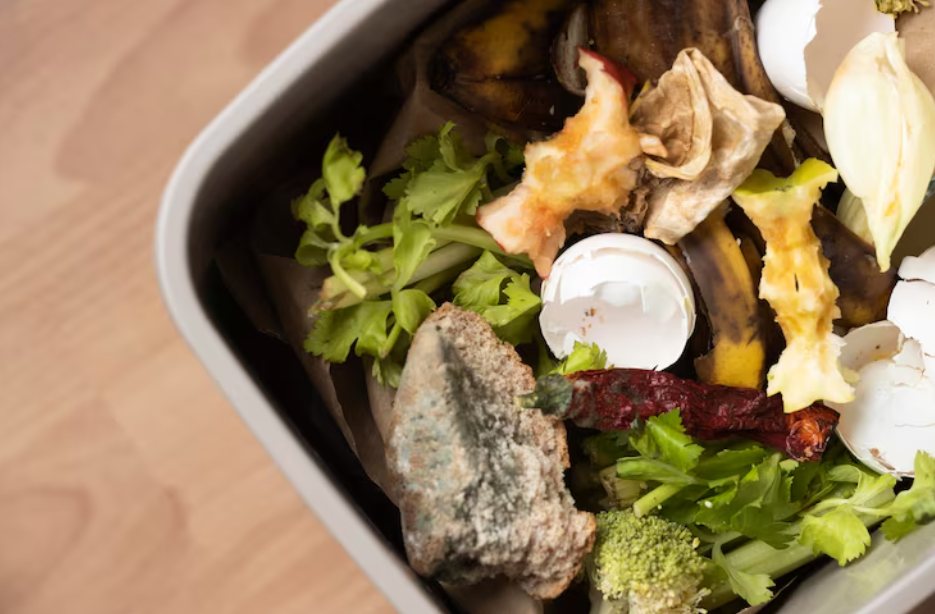
Kitchen waste is produced in almost every home. Fruit peels, vegetable scraps, coffee grounds, and leftover plant-based materials often end up in the trash. However, many of these items can be reused in a useful way instead of being thrown away. Composting is a simple and environmentally friendly method of turning organic waste into natural fertilizer. A compost bin makes this process easier by providing a suitable place for waste to break down. It helps households reduce waste, improve soil quality, and support healthier plant growth.
What Is a Compost Bin and How Does It Work?
A compost bin is a container designed to collect and break down organic materials. It provides a controlled space where natural processes turn kitchen scraps and other biodegradable waste into compost. Tiny organisms, such as bacteria and fungi, help decompose these materials over time.
The composting process requires the right balance of green and brown materials. Green materials include fruit peels, vegetable scraps, and coffee grounds, while brown materials include dry leaves, cardboard, and small pieces of untreated paper. Adding both types helps create suitable conditions for decomposition. With enough air and moisture, the waste gradually turns into dark, nutrient-rich compost.
Reducing Kitchen Waste at Home
One of the main benefits of using a compost bin is that it reduces the amount of kitchen waste sent to landfills. Instead of throwing away vegetable peels, eggshells, and fruit scraps, homeowners can collect suitable organic materials for composting. This simple habit makes everyday waste management more effective.
A compost bin also encourages families to become more aware of how much food they waste. When people separate organic materials from regular household rubbish, they can make better decisions about food storage and consumption. Over time, this approach supports a cleaner home and a more environmentally responsible lifestyle.
Turning Organic Waste into Natural Fertilizer
Organic kitchen waste contains valuable nutrients that can benefit soil and plants. During composting, natural microorganisms break down these materials and create a useful soil amendment. The finished compost is rich in organic matter and helps improve the condition of garden soil.
Using a compost bin allows homeowners to produce their own natural fertilizer without depending entirely on commercially available products. Once the compost is fully decomposed, it can be mixed into garden beds, vegetable patches, and flower pots. It helps provide nutrients while supporting healthy plant development.
Improving Soil Quality and Plant Growth
Healthy soil is essential for growing strong plants. Finished compost improves soil structure by making it easier for roots to grow and spread. It also helps sandy soil retain moisture and makes heavy clay soil less compact. These improvements create better conditions for different types of plants.
A compost bin provides a convenient way to produce compost regularly for gardening needs. Adding finished compost to the soil can support beneficial microorganisms and improve its overall quality. It also helps gardens maintain moisture, which can reduce the need for frequent watering.
Choosing and Maintaining the Right Compost Bin
Choosing a suitable compost bin depends on available space, household waste, and gardening needs. Small containers can work well for kitchens, balconies, and limited outdoor spaces, while larger bins are useful for households with gardens. A well-designed container should allow enough airflow and provide easy access for adding materials and removing finished compost.
Regular maintenance is also important for successful composting. The materials should remain slightly moist, and the mixture should be turned occasionally to allow air circulation. Avoid adding meat, dairy products, and oily food scraps to a basic household compost bin because they can attract pests and create unpleasant smells.
Conclusion
A compost bin is a practical tool for turning everyday kitchen waste into valuable natural fertilizer. It helps reduce household rubbish, improve soil quality, and support healthy plant growth. By separating organic waste and following simple composting practices, households can make better use of resources. This small change can contribute to a cleaner environment and create useful compost for home gardens.
