
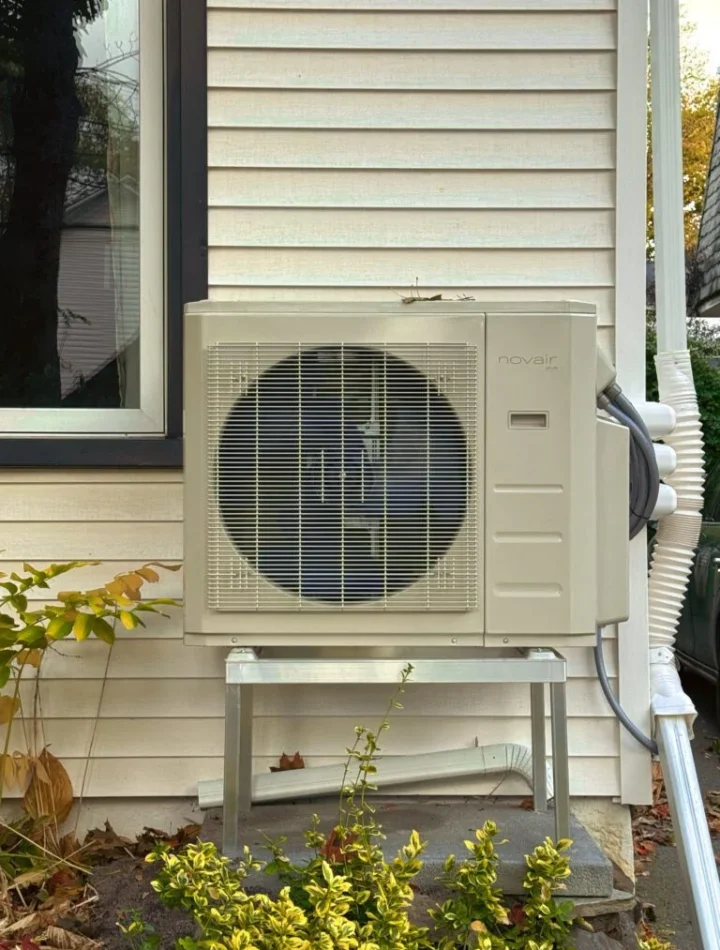
Ask five different homeowners in Nova Scotia about heat pumps and you’ll get five different answers. One swears by theirs. Another says it couldn’t keep up in January and had to run the old baseboard heaters as backup. Both are probably telling the truth. The difference almost never comes down to the technology itself. It comes down to how the system was sized, and how well the installer actually understood the house they were working on.
That gap matters more here than in most of the country. Nova Scotia’s climate isn’t the driest or the coldest in Canada, but the coastal humidity changes how a given temperature actually behaves, and it puts real demands on equipment that a landlocked province never deals with. A heat pump rated for a generic “cold climate” spec sheet doesn’t automatically mean it’s rated for a damp, freeze-thaw Nova Scotia winter.
Sizing Is the Part Nobody Explains Well
Most of the bad heat pump experiences you’ll hear about trace back to one thing: a system sized off square footage alone, without accounting for insulation, window count, ceiling height, or how a home actually loses heat. A 1,600 square foot bungalow built in 1975 and a 1,600 square foot home built in 2015 lose heat at completely different rates, and sizing them identically is how you end up with a homeowner running supplemental heat through the coldest week of the year and telling everyone heat pumps “don’t work here.”
A proper heat energy assessment, done in person rather than over the phone, is what closes that gap. It accounts for insulation, windows, ceiling height, and how the building actually loses heat. Square footage alone doesn’t capture any of that.
Oil Is Still the Real Driver
Talk to installers across the province and the same pattern comes up constantly. Homes still running on oil, often furnaces installed decades ago, are the ones driving most conversions right now. Oil prices don’t move in a straight line, and a full tank going into a long winter has become a genuine budgeting problem for a lot of households. Heat pumps don’t eliminate that cost entirely, but for most homes switching off oil, the reduction is significant enough to change the math on the investment within a handful of years.
Electric baseboard households convert too, though usually for a different reason. For this group, the draw is efficiency and central air conditioning they’ve never had; oil households, by contrast, are typically driven by affordability pressure.
Rebates Help, But Timing Matters
Nova Scotia homeowners moving off oil may still have access to provincial and federal heat pump support, including versions of the Oil to Heat Pump Affordability Program — though funding availability in the province has shifted more than once over the past year, so confirm current program names and amounts directly with Efficiency Nova Scotia rather than relying on older articles. What you specifically qualify for depends on income, current heating source, and the rules in place at the time you apply. Homeowners who skip confirming that before committing to a system often end up locked into equipment that doesn’t match what they actually qualified for.
What a Good Installation Actually Looks Like
Most jobs, done right, wrap up in a single day. A home needing an electrical panel upgrade to handle the new load might stretch into a second. The real difference between a good installer and a rushed one shows up weeks earlier, in the sizing conversation, and in whether anyone actually walked the property before quoting a number.
Companies like GreenPump Energy, which works across Nova Scotia and Newfoundland specifically, have leaned into that assessment-first approach precisely because the failure mode is so common and so avoidable. It’s a pattern worth asking about directly with any installer you’re considering, regardless of who you end up hiring: did someone actually assess your home, or did you get a quote based on square footage and a guess?
If you’re weighing a switch, the conversation worth having isn’t “do heat pumps work in Nova Scotia.” They do, reliably, when sized correctly. The real conversation is which installer is actually willing to have that assessment conversation with you before quoting a price.


