Hyperpigmentation has a way of showing up uninvited and overstaying its welcome. Whether it appears as sun spots, post acne marks, or uneven patches after hormonal changes, excess pigmentation can make the skin look older and less vibrant. Many clients try countless serums at home with limited success. While some improvement is possible, significant and lasting correction usually requires professional guidance.
As aestheticians, we approach hyperpigmentation with strategy and patience. Treating discoloration is not about aggressively scrubbing the skin. It is about regulating melanin production, improving cell turnover, and protecting the skin from further damage. When handled properly, professional skincare can gradually restore clarity and evenness.
Understanding the Type of Pigmentation You Have
Before selecting a treatment, we determine the type and depth of pigmentation. Sun induced spots often sit in the upper layers of the skin, while melasma can extend deeper and is influenced by hormonal factors. Post inflammatory hyperpigmentation, common after acne or irritation, results from excess melanin triggered by inflammation.
Each type responds differently to treatment. For example, melasma requires a gentler and more controlled approach to avoid rebound darkening. Post acne marks may improve more quickly when inflammation is addressed and cell turnover is supported.
A detailed consultation allows us to evaluate not only visible discoloration but also your skin history, sun exposure habits, and current routine. This foundation ensures that treatments are effective and safe for your specific skin type.
Professional Chemical Peels for Controlled Renewal
One of the most reliable tools for addressing hyperpigmentation is the professional chemical peel. When formulated and applied correctly, peels accelerate exfoliation and help disperse excess pigment within the skin.
Ingredients such as mandelic acid, lactic acid, and salicylic acid are selected based on skin sensitivity and pigmentation depth. These acids encourage the shedding of pigmented cells while stimulating healthier cell renewal underneath. Over a series of treatments, dark spots gradually fade and the complexion becomes more uniform.
Precision is critical. Stronger does not always mean better. Overly aggressive peels can trigger inflammation and worsen pigmentation. A measured approach, spaced appropriately over several weeks, delivers more predictable and long lasting improvement.
Advanced Facials That Target Discoloration
Not all facials are created equal. When treating hyperpigmentation, advanced protocols focus on both exfoliation and infusion of brightening ingredients. Antioxidants, vitamin C derivatives, and pigment regulating compounds are introduced after gentle resurfacing to enhance penetration and efficacy.
If you are searching for the best facial montreal has to offer for pigmentation concerns, it is important to choose a setting that customizes treatments rather than applying a standard formula to everyone. Brightening facials should be adjusted to your tolerance level, skin tone, and the type of discoloration present.
LED light therapy can also support the process. While it does not directly remove pigment, it reduces inflammation and enhances healing after corrective treatments. Calmer skin responds more effectively to brightening protocols.
For those planning a visit, you can find the location through this interactive Montreal map and schedule a consultation to assess your specific concerns.
Microneedling and Combination Therapies
Microneedling is often associated with collagen stimulation, but it also plays a role in improving pigmentation. By promoting cell turnover and enhancing product absorption, it helps disperse uneven melanin distribution over time.
Combination treatments often yield the best results. A series of peels may be alternated with microneedling sessions. Hydrating and barrier supporting facials are integrated between corrective treatments to maintain skin health. This balanced approach reduces the risk of irritation while steadily improving tone.
Clients sometimes expect instant transformation. In reality, hyperpigmentation requires consistency. Noticeable improvement often develops over several months. The skin renews itself gradually, and each treatment builds upon the previous one.
Protecting Your Results at Home
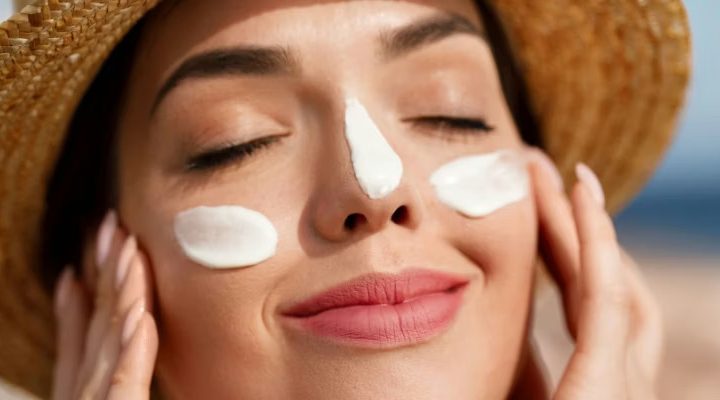
Professional treatments set the stage, but daily habits determine long term success. Sun protection is essential. Even minimal exposure can reactivate melanin production and undo progress. A broad spectrum sunscreen suited to your skin type should be applied consistently.
Brightening serums containing antioxidants and pigment regulating ingredients help maintain results between appointments. However, over layering products can irritate the skin and trigger more discoloration. A simplified routine designed by a professional is usually more effective than experimenting with multiple new products.
Hydration also supports even tone. A well functioning skin barrier reduces inflammation, which in turn minimizes the risk of post inflammatory pigmentation. Consistency in both clinic treatments and home care is what ultimately delivers smoother, clearer skin.
Achieving a More Even Complexion
Hyperpigmentation can feel stubborn, but it is not untreatable. With a strategic combination of professional peels, advanced facials, and supportive home care, significant improvement is possible. The key is patience, personalization, and protection.
If uneven tone has been affecting your confidence, consider scheduling a consultation with an experienced aesthetic professional. With a customized plan tailored to your skin and Montreal’s climate, you can gradually restore brightness and clarity, revealing a complexion that looks healthier and more balanced over time.