


What is a Modular Kitchen?
Definition and Core Concept
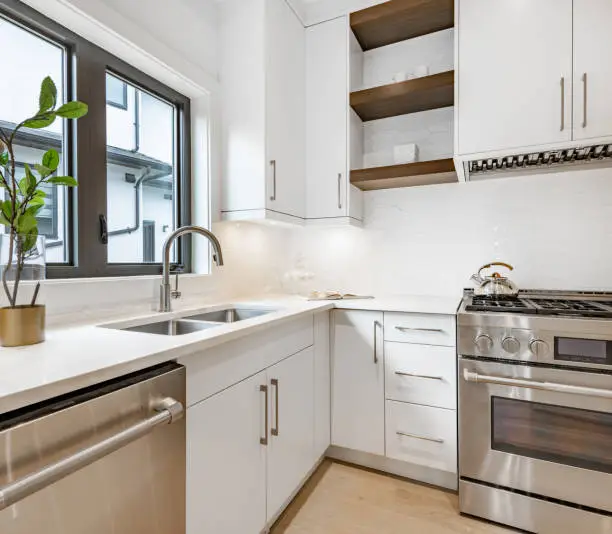
A modular kitchen is essentially a smart, pre-designed kitchen system made up of standardized cabinet modules that can be assembled to fit your space perfectly. Think of it like building blocks—you pick different units (cabinets, drawers, shelves), and they come together to create a fully functional kitchen. Unlike traditional carpentry-based kitchens, modular kitchens are factory-made, which means higher precision, consistent quality, and faster installation.
In Canada, this concept is gaining massive traction because homeowners are shifting toward efficiency and modern living. People don’t want months of messy renovation work anymore—they want something quick, clean, and stylish. Modular kitchens offer exactly that. You get sleek finishes, intelligent storage, and customizable layouts without the chaos of traditional construction.
Another key factor is adaptability. Whether you live in a compact condo in Toronto or a large suburban home in Alberta, modular kitchens can be tailored to fit your exact dimensions. This flexibility makes them ideal for Canada’s diverse housing landscape. Plus, with increasing emphasis on minimalism and functionality, modular kitchens align perfectly with modern lifestyle needs.
Why Modular Kitchens Are Popular in Canada
The popularity of modular kitchens in Canada isn’t just a trend—it’s a response to changing lifestyles. With urbanization on the rise and more people living in condos or smaller homes, space optimization has become critical. Modular kitchens are designed to maximize every inch, making them perfect for compact spaces.
Another reason is cost transparency. Traditional kitchens often come with unpredictable expenses, but modular kitchens offer clearer pricing structures. According to recent 2026 data, the average kitchen renovation in Canada ranges between $35,000 and $45,000, with high-end projects exceeding $70,000 . Modular kitchens can often be more cost-efficient because they reduce labor time and material waste.
There’s also a strong influence of design trends. Canadians are increasingly drawn to European-style kitchens with clean lines, flat-panel cabinets, and integrated appliances. Modular systems naturally support this aesthetic. Add to that the growing demand for eco-friendly materials and smart storage solutions, and it’s easy to see why modular kitchens are becoming the go-to choice.
Benefits of Modular Kitchens in Canada
Space Optimization for Modern Homes
Let’s be honest—space is expensive in Canada, especially in cities like Toronto and Vancouver. That’s where modular kitchens truly shine. They’re designed to use every inch efficiently, from corner cabinets to vertical storage units. Instead of wasting awkward spaces, modular designs turn them into functional storage areas.
Imagine having pull-out drawers, rotating corner units, and hidden compartments that keep everything organized. It’s like turning your kitchen into a well-oiled machine where everything has its place. This is especially useful in smaller apartments where clutter can quickly become overwhelming.
Another advantage is flexibility. If your needs change, you can easily modify or upgrade individual modules without redoing the entire kitchen. For example, you can add more cabinets or replace a section without disturbing the rest. This adaptability makes modular kitchens a long-term investment rather than a one-time renovation.
Easy Installation and Maintenance
One of the biggest headaches with traditional kitchens is the installation process—it can take weeks or even months. Modular kitchens, on the other hand, are pre-manufactured and simply assembled on-site. This drastically reduces installation time, often completing the setup within a few days.
Maintenance is also much easier. Since the components are standardized, replacing a damaged part is straightforward. You don’t need to tear down the entire structure—just swap out the affected module. This not only saves time but also reduces long-term costs.
Another underrated benefit is cleanliness during installation. Traditional renovations can turn your home into a construction site, but modular kitchens minimize dust and disruption. For busy households, this is a huge plus.
Types of Modular Kitchen Layouts
L-Shaped Kitchen
The L-shaped kitchen is one of the most popular layouts in Canada. It utilizes two adjacent walls, creating an efficient work triangle between the sink, stove, and refrigerator. This layout is perfect for small to medium-sized kitchens because it maximizes corner space while leaving room for movement.
U-Shaped Kitchen
If you have a larger space, the U-shaped layout offers maximum storage and workspace. It uses three walls, creating a highly efficient cooking environment. This design is ideal for families who spend a lot of time in the kitchen.
Island Kitchen
Island kitchens are a dream for many homeowners. They include a central island that can be used for cooking, dining, or socializing. While this layout requires more space, it adds a luxurious and modern feel to your home.
Straight Kitchen
Perfect for compact apartments, the straight kitchen layout places all elements along a single wall. It’s simple, efficient, and cost-effective, making it a popular choice for urban living.
Modular Kitchen Cost in Canada (2026)
Average Cost Breakdown
Understanding the cost of a modular kitchen in Canada is crucial before starting your project. While prices vary depending on size and materials, here’s a general idea:
| Kitchen Type | Estimated Cost (CAD) |
| Basic Modular Kitchen | $15,000 – $30,000 |
| Mid-Range Modular Kitchen | $30,000 – $70,000 |
| Luxury Modular Kitchen | $70,000 – $150,000+ |
These numbers align with broader renovation data showing that full kitchen remodels in Canada typically range from $30,000 to $150,000 depending on complexity and location .
Budget vs Luxury Kitchens
Budget kitchens focus on affordability, using materials like MDF and laminate finishes. They offer functionality without too many custom features. On the other hand, luxury kitchens include premium materials like quartz countertops, custom cabinetry, and high-end appliances.
The difference isn’t just in cost—it’s in experience. A luxury modular kitchen feels like a high-end workspace, while a budget one focuses on practicality. Your choice depends on your priorities and long-term plans.
Key Cost Factors
Cabinet Materials
Cabinets are the backbone of any modular kitchen and can account for 25–35% of the total cost . Materials like plywood are more durable but expensive, while MDF offers a budget-friendly alternative.
Appliances & Hardware
Modern kitchens often include smart appliances, which can significantly increase costs. From built-in ovens to smart refrigerators, these features add convenience but come at a price.
Labour & Installation
Although modular kitchens reduce labor costs compared to traditional setups, installation still plays a significant role. Skilled professionals ensure everything fits perfectly and functions smoothly.
Latest Modular Kitchen Trends in Canada (2026)
Smart Kitchens & Technology
Technology is transforming kitchens into intelligent spaces. From touchless faucets to AI-powered appliances, smart kitchens are becoming the norm. These features not only enhance convenience but also improve energy efficiency.
Sustainable Materials
Eco-friendly kitchens are gaining popularity. Materials like engineered wood and quartz are preferred for their durability and low maintenance. Designers are also focusing on reducing waste and using recyclable materials.
Hidden Storage Solutions
Modern kitchens are all about clean aesthetics. Hidden storage solutions, such as pull-out cabinets and concealed appliances, help maintain a clutter-free look. According to 2026 trends, hidden storage systems and integrated designs are becoming a key feature in modern kitchens .
Best Materials for Modular Kitchens
Wood vs MDF vs Plywood
Choosing the right material can make or break your kitchen. Solid wood offers durability and a premium look but comes at a higher cost. MDF is affordable and smooth, making it ideal for painted finishes. Plywood strikes a balance between strength and cost.
Countertops & Finishes
Quartz countertops are currently the top choice due to their durability and low maintenance. In fact, they are replacing traditional granite in many modern kitchens .
Modular Kitchen vs Custom Kitchen
Pros and Cons Comparison
| Feature | Modular Kitchen | Custom Kitchen |
| Cost | More predictable | Can vary widely |
| Installation | Quick | Time-consuming |
| Flexibility | Moderate | Highly customizable |
| Maintenance | Easy | Complex |
How to Choose the Right Modular Kitchen
Budget Planning Tips
Start by setting a realistic budget. Consider not just the initial cost but also long-term maintenance. Always keep a buffer for unexpected expenses.
Design Tips for Canadian Homes
Focus on functionality and durability. Canadian kitchens need to withstand varying climates, so choose materials that can handle temperature changes and humidity.
Installation Process Step-by-Step
Installing a modular kitchen involves several steps, including design planning, module selection, manufacturing, and on-site assembly. The process is streamlined compared to traditional kitchens, making it faster and more efficient.
ROI of Modular Kitchens in Canada
Investing in a modular kitchen can significantly increase your home’s value. In growing markets, updated kitchens can boost resale prices and attract buyers more easily. With property values rising in many regions, a well-designed kitchen can offer excellent returns.
Conclusion
A modular kitchen in Canada is more than just a design upgrade—it’s a lifestyle transformation. It combines efficiency, style, and functionality in a way that traditional kitchens simply can’t match. Whether you’re renovating or building a new home, a modular kitchen offers flexibility, cost control, and modern aesthetics that align perfectly with today’s living standards.
